Tertiary-Level C++ Coding Prerequisites - Development IDE
Are you looking for the best way to introduce your young student to the world of programming? You've found the perfect resource! Welcome to the comprehensive beginner C++ tutorial designed specifically for C++ for tertiary students. This guide represents the crucial first step in their coding journey. Before you can start practicing C++ coding for kids, you need the right tools. This tutorial will walk you through the entire Visual Studio C++ setup process, from downloading the software to creating your first Win32 Console Application. We make the setup simple so you can quickly learn how to run C++ code and focus on learning the language itself.
Before you begin coding in C++ as a beginner or tertiary student, it's important to understand how Visual Studio works.
To begin, download and install Visual Studio (Community Edition is free).
During installation, select the Desktop development with C++ workload. This ensures you have all the essential compilers,
libraries, and debugging tools needed to write and run C++ code.
How to Set Up Visual Studio for C++ for Tertiary Students
Once Visual Studio is installed, follow these steps to create a new C++ project in Visual Studio... This ensures you have the correct project structure for your C++ coding for kids exercises.
If you are a beginner or tertiary student, creating a new project on Visual Studio is simple:
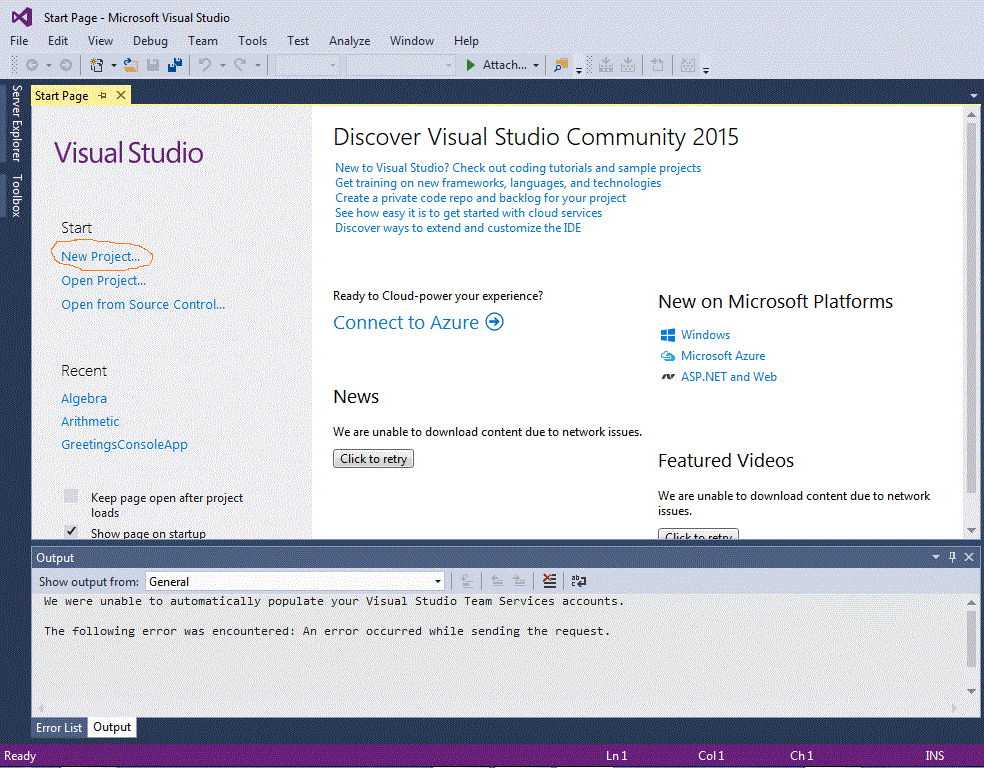
On the Start Page of Visual Studio, click New Project.
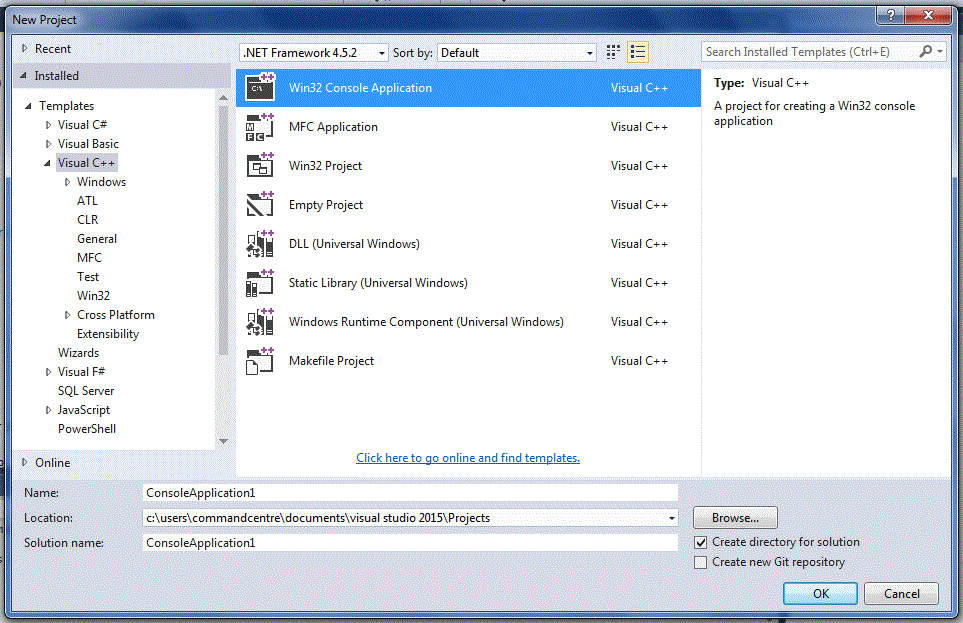
Select Visual C++ under the Template header
and Win32 Console Application (for our purpose) under the .Net Framework header.
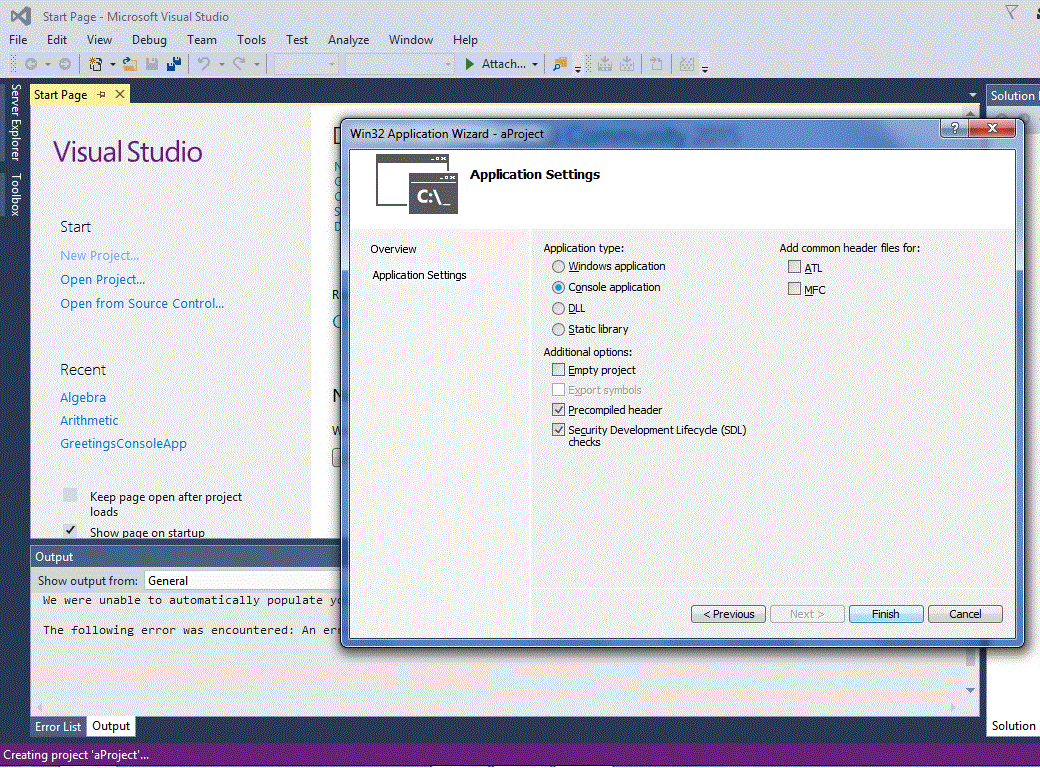
Give the project a name. >> OK >> Next >> Finish.
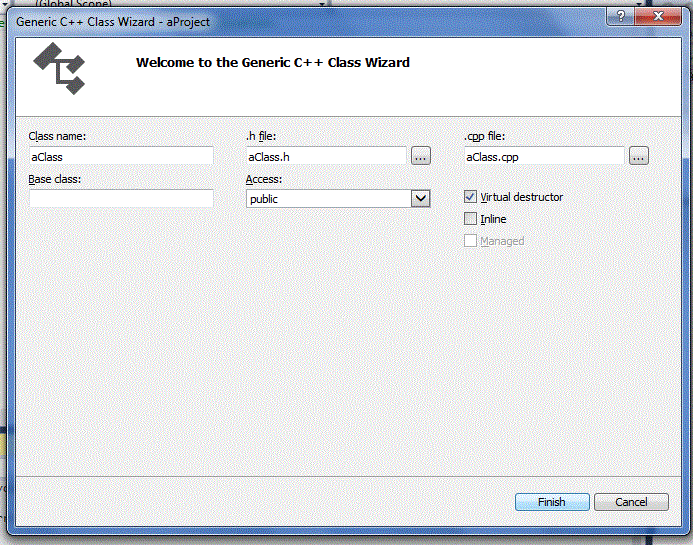
If you are a beginner or tertiary student, creating a class file is straight-forward:
Click Project, Add Class.
Select C++ Class, Add;
Give the class a name and click Finish.
Running C++ Codes for Tertiary Students
For the beginners or tertiary students, you have to first make sure your C++ code contains no errors.
You may also want to see your C++ code's output before you get to building it.
To see your C++ code's output, set a breakpoint at the return statement in the main class:
Click on the left area of the "return 0" line to highlight it;
click Debug at the top of the window, Toggle breakpoint;
a red dot appears on the return 0 line.
Press F5, (click Yes) to see the project run to completion - assuming there are no errors.
A new shell is created that shows the result of your C++ code.
Alternatively, click Debug >> Start Without Debugging (Ctrl F5)
to see your C++ code output.
Note: In Windows, C/C++ codes can also be run in the NetBeans IDE using Cygwin or MinGW libraries.
Notice: Our C++ colour coding follows that of Microsoft's Visual Studio.
Introductory C++ Tutorial for Tertiary Students
For a beginner-friendly C++ tutorials for kids and tertiary students, summarised to only the key facts to help young learners
comprehend the C++ language and get started with utilising C++ for coding, check our
A beginner's Tutorial and Guide to the C++ Programming Language
from the Tertiary Category.
Visual Studio Start Page
New Project
Next Step
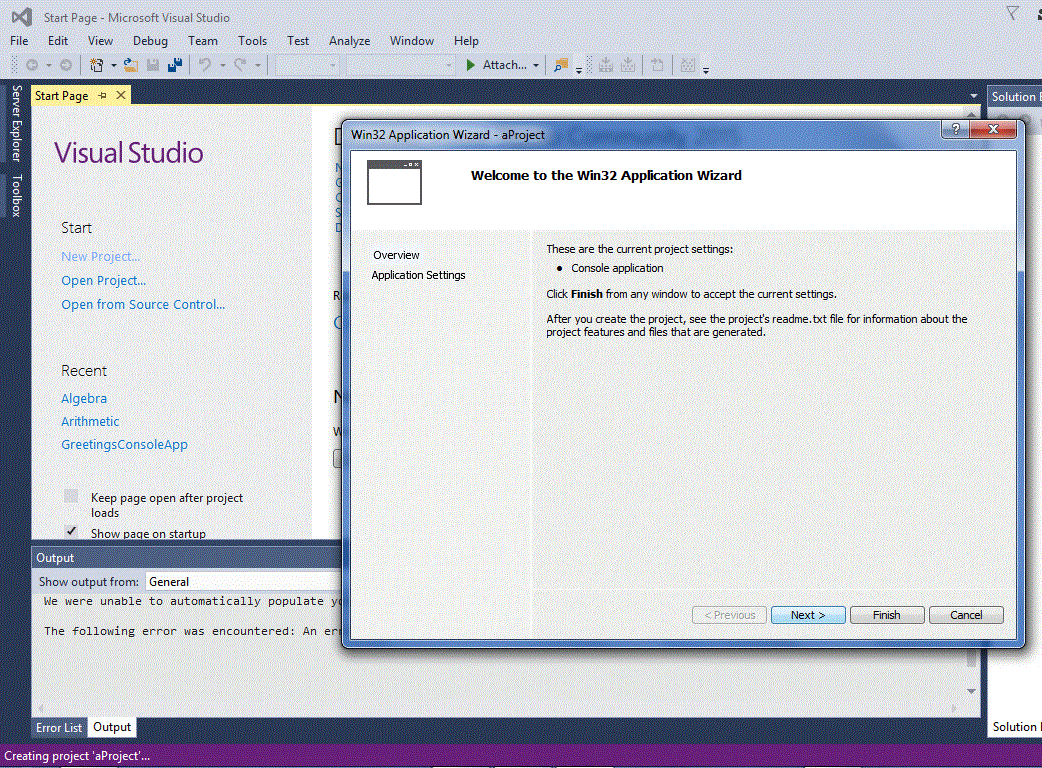
Finish New Project
New Class
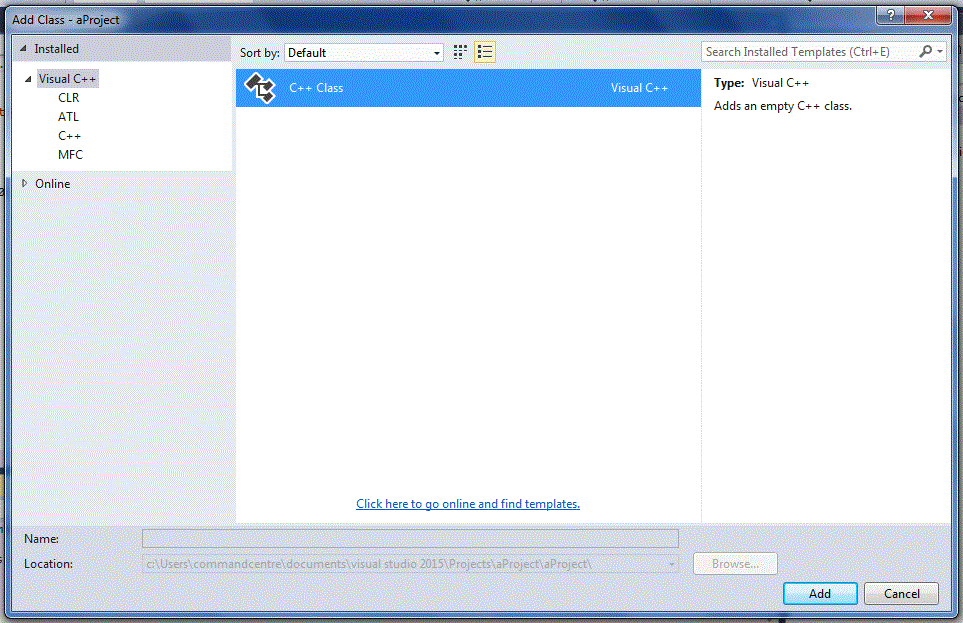
Finish New Class